Bespoke Genealogy Research

Every family
has a story.
Let's find yours.

Professional genealogy and family history research for clients across the UK, USA and worldwide. I help trace ancestors, build and verify family trees, solve DNA and unknown-parentage questions, investigate brick walls and uncover the stories behind historical records. I also specialise in archival research for families connected with Cumbria, historic Cumberland and Westmorland.

01

Family Tree Reports

02

Records Research

03

Brick Wall Breakthroughs

04

DNA Analysis Support

AncestryDNA's October 2026 update
Changed percentages or a question about DNA by grandparent? Start with the new research guide.

Read the AncestryDNA Guide
Brittany Warren, professional genealogist and founder of Solving Your Mysteries
Brittany Warren

About the researcher

A dedicated passion
for uncovering the past

I'm an independent genealogy researcher with years of experience in archives, census records, parish registers and family-history collections in Britain and overseas. I shape each project around the family, the places involved and the question that brought the research to me.

The records are the starting point. What interests me is the family they reveal: where people lived, how they moved, and what their lives looked like beyond a sequence of names and dates.

More about me →

Cumbria specialist research

Family history in Cumbria, Cumberland & Westmorland

I have extensive hands-on experience working with Cumbria Archives and researching families across Carlisle, Brampton, Penrith, Whitehaven, Workington, Cockermouth, Kendal, Appleby-in-Westmorland, Barrow and surrounding communities.

Older material may be catalogued under Cumberland, Westmorland, Lancashire North of the Sands or a neighbouring border county. Knowing those historic jurisdictions often determines where the next useful record is likely to be held.

See how that evidence-led approach helped verify a long-standing family story about John Peel of Caldbeck.

Explore Cumbria Research

Local expertise includes

  • Parish and nonconformist registers
  • Wills, probate and estate papers
  • Census, electoral and poor-law records
  • Newspapers, occupations and local context
  • Cross-border movement into Scotland and Northumberland
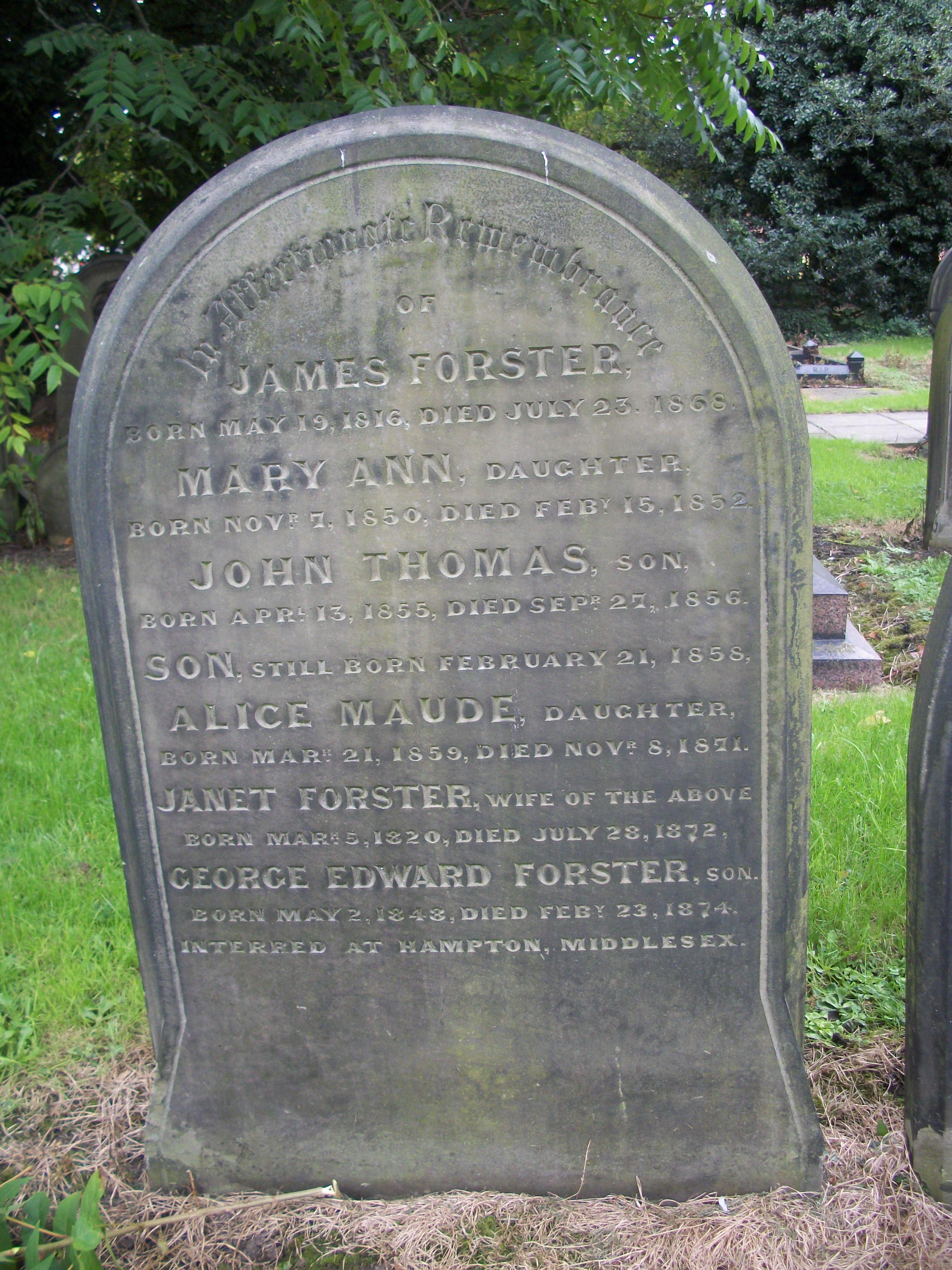
Headstone of James Forster, investigated as part of a genealogy research case
Case Study No. 01

From the research files

A missing baptism.
A different surname.
One significant clue.

A client came to me hoping to uncover the origins of James Forster, a nineteenth-century bookbinder whose early life in Cumberland had remained elusive.

Research at Cumbria Archives uncovered a parish-register entry for a child born on exactly the same date and in the same place James later gave as his own — but under the surname Nelson.

Cumbria Archives Parish registers Newspapers Brick-wall research

What I offer

Research tailored
to your family

Cumbria, Cumberland & Westmorland Research

Local and archival research for families rooted in Cumbria and its historic counties, including regular work with Cumbria Archives.

Explore local research →

Adoption & Unknown Parentage

Research into biological parentage and adoption, using DNA and documentary evidence where appropriate and handling modern family information discreetly.

Learn more →

Genetic Genealogy

DNA match analysis, family-tree reconstruction and records research for questions that cannot be answered from documents alone.

Learn more →

Document-Based Research

Targeted work in civil, parish, probate, military, migration and other records chosen for the place and period under investigation.

Learn more →

Brick Wall & Complex Cases

When an ancestor disappears or the records conflict, I review the existing research, build a timeline and follow the relatives, places and sources most likely to clarify what happened.

Learn more →

US & Transatlantic Research

Research for American clients and families whose records cross the United States, Britain, Canada and Europe.

Learn more →

Historical Context & Narrative Reporting

Reports can include the local, social and occupational background that makes a family history easier to understand and more rewarding to read.

Learn more →

Family Tree Building

Family trees built from checked records, with sources and notes that make it clear how each generation connects to the next.

Learn more →

Lineage Verification

Independent checking of an existing line of descent, with each generational link traced back to the records that support it.

Learn more →

Practical research guides

Find the records.
Follow the evidence.

Browse all research guides

Client stories

What clients say
about their discoveries

Questions & answers

Frequently asked questions
about genealogy research

What is Solving Your Mysteries?

Solving Your Mysteries is an independent genealogy research service. I work with historical records, archives and, when it is useful to the question, DNA evidence.

What kind of mysteries can you help with?

Projects range from building or checking family trees to unknown-parentage research, long-standing family stories and records that seem to contradict one another. If your question does not fit neatly into a category, you can still send it to me.

Do I need to take a DNA test?

Many cases can be researched entirely through records such as censuses, civil certificates, parish registers and probate material. DNA becomes especially useful when parentage is unknown or the documentary trail is thin.

How accurate is DNA in solving family mysteries?

DNA can provide strong evidence of biological relationships. To identify the most likely relationship or ancestor, I interpret those matches alongside family trees, ages, locations and documentary records.

How long does the process take?

It depends on the complexity of your case. Some answers can be found in a few days, while others may take months of research. Cases involving DNA often take longer due to processing times and the need to analyze matches thoroughly.

Will you be able to guarantee answers?

A definitive answer is not possible in every case. Records may be missing and DNA evidence may be too distant or incomplete. I will tell you what the evidence supports, what remains uncertain and which further steps are worth considering.

How do you protect my privacy?

Confidentiality is a top priority. Your information, research findings, and any DNA data are handled with care and never shared without your explicit consent. Sensitive discoveries are communicated thoughtfully and privately.

What happens if you uncover something unexpected?

Unexpected results are not uncommon in this kind of work. If something significant comes up, I’ll present the information carefully, explain what it means, and give you space to decide how you’d like to move forward.

How much information do I need to get started?

Send whatever you already know: names, approximate dates, places, relationships, family documents and links to any existing tree. A small detail can be enough to point towards the right record set.

Can you help with adoption or unknown parent cases?

Yes, these are some of the most common and meaningful cases I work on. They often involve a mix of DNA analysis and traditional research to identify and confirm biological connections.

How do I get started?

You can get in touch through the contact form below with a brief overview of your situation. From there, I’ll let you know what’s possible, what the process would look like, and any next steps.

Get in touch

Ready to uncover
your family's story?

Use the form to tell me who or what you are trying to find out, and include any useful names, dates or places. I am based in the UK and work with clients in the UK, the US and elsewhere.

Typically responds within 48 hours
Personal, one-to-one service
All information treated confidentially
Please enter your full name.
Please enter a valid email address.
Please enter a message.

Your details are kept strictly private and used only to respond to your enquiry.

How it works

How a project usually unfolds

1. Initial enquiry

You tell me the question you want answered and send the records, tree or DNA information you already have.

2. Research plan

I review the starting evidence, decide which sources are most promising and set out the first stage of work.

3. Evidence-based research

I follow the relevant records, relatives, places and DNA matches, keeping a research log as the evidence develops.

4. Clear report

I return the findings with source references, an explanation of how I reached them and any worthwhile next searches.